Exploring the disparities between a Registered Dietitian and a Nutritionist, this introduction delves into the distinct roles and qualifications of each profession. With a blend of informative content and engaging language, readers are drawn into the intriguing world of nutritional expertise.
Providing detailed insights into the educational requirements and scope of practice for both professions, this overview sets the stage for a comprehensive comparison.
Understanding the Terminology
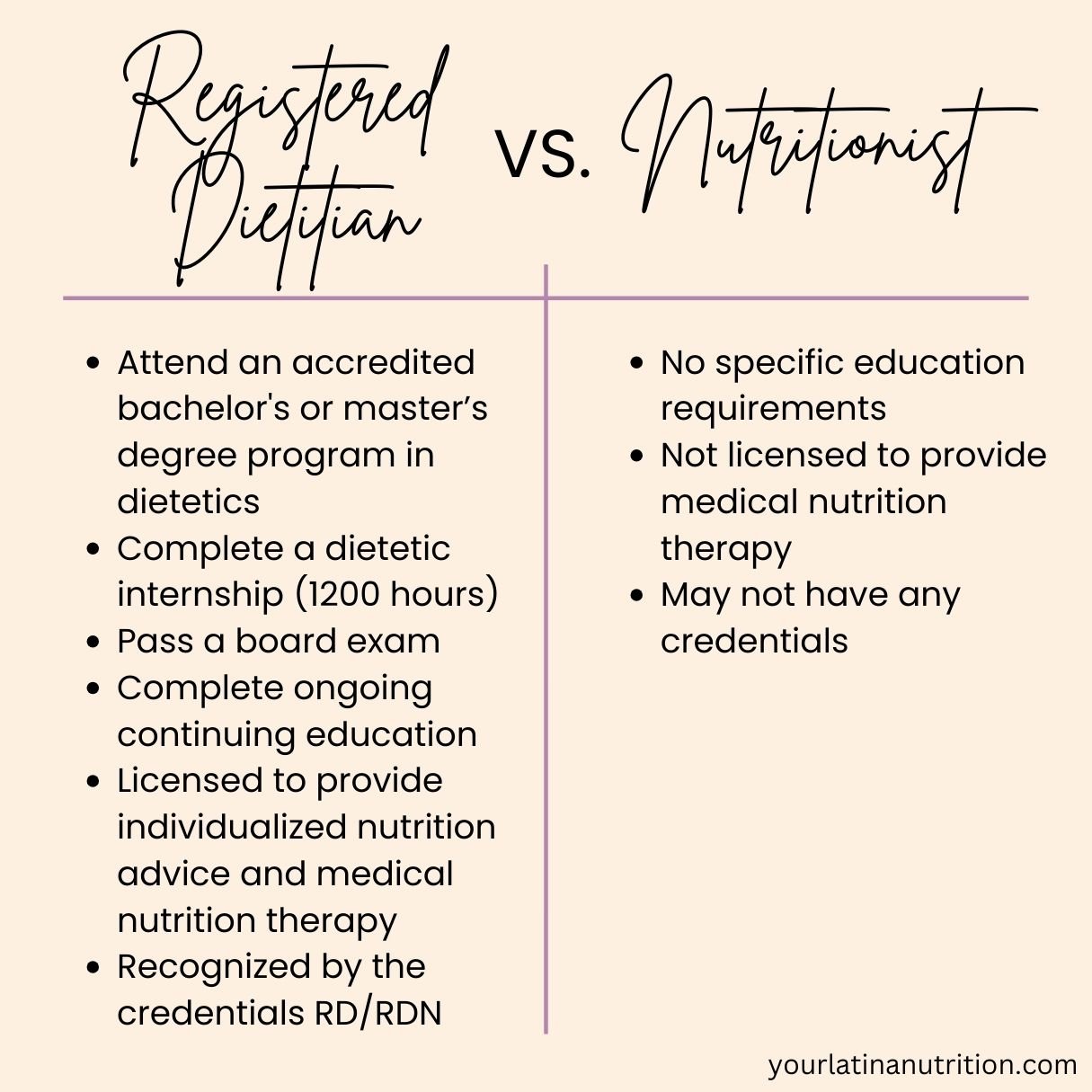
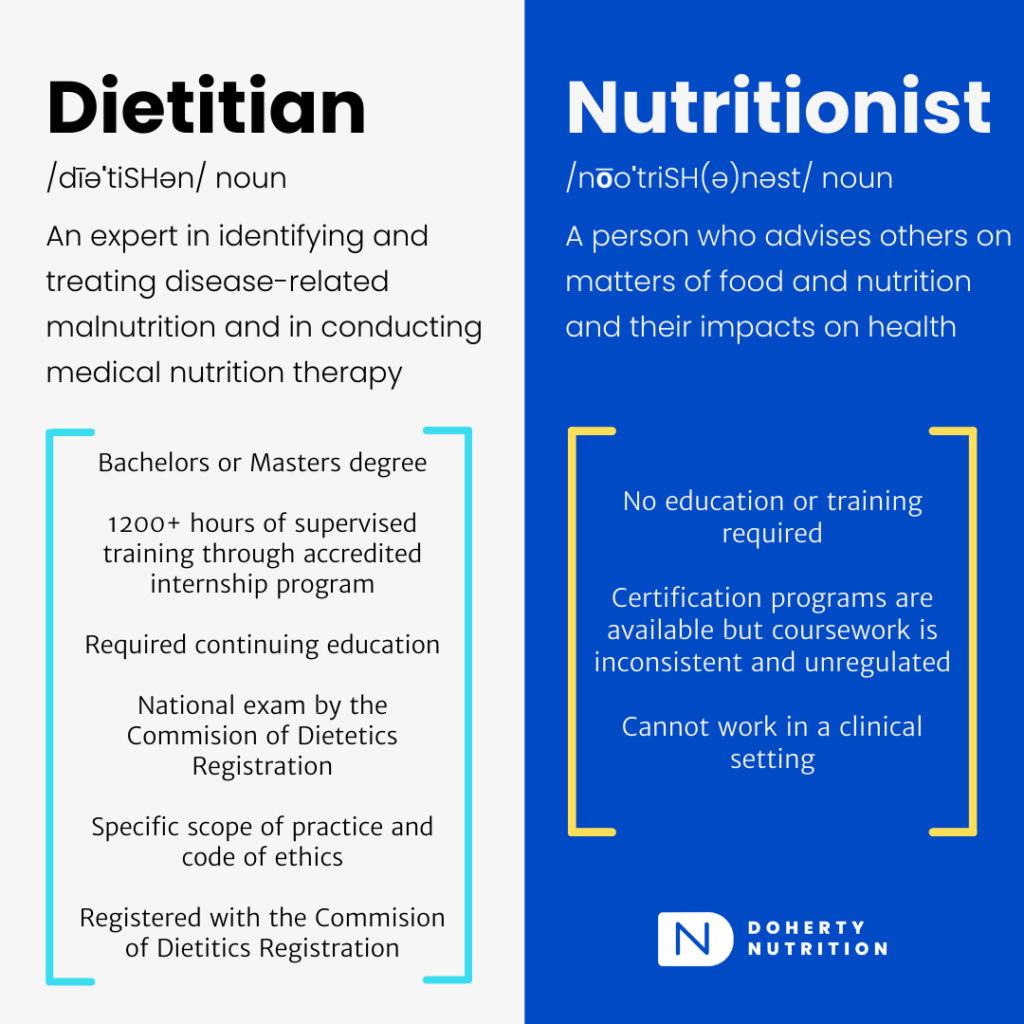
Registered Dietitian (RD): A Registered Dietitian is a healthcare professional who has completed specific academic and professional requirements to provide medical nutrition therapy. RDs work in various settings such as hospitals, clinics, and community health organizations. They are trained to assess, diagnose, and treat nutritional issues and provide personalized dietary plans to individuals based on their medical conditions and health goals.Nutritionist: A Nutritionist is a broader term that can refer to anyone who provides advice on food and nutrition. Unlike RDs, Nutritionists do not require formal education or certification to practice. They may work in wellness centers, gyms, or as consultants, offering general advice on healthy eating habits and lifestyle choices.Qualifications Required
- Registered Dietitian (RD):
- Completion of a bachelor's degree in dietetics or related field
- Completion of a supervised internship program
- Passing a national examination
- Maintaining continuing education requirements
- Nutritionist:
- No specific educational requirements
- No standardized certification process
- May obtain certifications from various organizations, but not mandatory
Educational Background and Training
 Registered Dietitian (RD):
To become a Registered Dietitian (RD), individuals typically follow a specific educational path. This includes completing a bachelor's degree in dietetics or a related field accredited by the Accreditation Council for Education in Nutrition and Dietetics (ACEND). After completing the degree, aspiring RDs must also complete a supervised practice program, often referred to as an internship. This internship provides hands-on experience in various settings such as hospitals, community organizations, or food service companies. Finally, individuals must pass a national examination administered by the Commission on Dietetic Registration (CDR) to become a registered dietitian.
Registered Dietitian (RD):
To become a Registered Dietitian (RD), individuals typically follow a specific educational path. This includes completing a bachelor's degree in dietetics or a related field accredited by the Accreditation Council for Education in Nutrition and Dietetics (ACEND). After completing the degree, aspiring RDs must also complete a supervised practice program, often referred to as an internship. This internship provides hands-on experience in various settings such as hospitals, community organizations, or food service companies. Finally, individuals must pass a national examination administered by the Commission on Dietetic Registration (CDR) to become a registered dietitian.Coursework and Practical Training for Nutritionists
Nutritionist: The educational requirements to become a Nutritionist can vary widely depending on the specific area of focus or specialization. However, a typical path involves earning a bachelor's degree in nutrition, food science, or a related field. Coursework for nutritionists may cover topics such as food science, human nutrition, biochemistry, and meal planning. Practical training for nutritionists may involve internships or supervised work experience in settings like hospitals, schools, or private practice.Certifications and Licensures
Registered Dietitian (RD): In addition to completing the educational and training requirements, Registered Dietitians must also maintain their credentials by completing continuing education credits. Some RDs may choose to pursue specialized certifications in areas such as sports nutrition, pediatric nutrition, or diabetes management. Licensure requirements for RDs vary by state, with some states requiring dietitians to be licensed to practice.Nutritionist: Unlike Registered Dietitians, Nutritionists are not regulated in the same way, and there is no standardized licensure or certification process for nutritionists. However, some nutritionists may choose to pursue certifications from professional organizations or complete additional training in specific areas of interest.Scope of Practice
Registered Dietitians (RDs) and Nutritionists have different scopes of practice based on their education, training, and credentials. Let's delve into the specific areas where each professional typically works and compare and contrast their focus in terms of nutrition education, counseling, and intervention.Registered Dietitians
Registered Dietitians are healthcare professionals who are trained to provide medical nutrition therapy and dietary counseling. They often work in hospitals, clinics, long-term care facilities, and other healthcare settings where they collaborate with doctors and other healthcare providers to manage patients' nutritional needs. RDs also play a crucial role in food service management, ensuring that patients receive appropriate meals based on their dietary requirementsNutritionists
Nutritionists, on the other hand, typically work in community settings, wellness programs, schools, fitness centers, and public health organizations. They focus on promoting health and preventing disease through nutrition education and outreach programs. Nutritionists may conduct workshops, seminars, and cooking classes to educate individuals and groups about healthy eating habits and lifestyle choices. While some Nutritionists may provide one-on-one nutrition counseling, their primary focus is on community-based interventions aimed at improving overall health and well-being.Comparison and Contrast
- Registered Dietitians primarily work in clinical settings, providing medical nutrition therapy and specialized dietary interventions for patients with specific health conditions. - Nutritionists often work in community settings, focusing on preventive nutrition education and promoting healthy eating habits among the general population. - Both RDs and Nutritionists may offer nutrition counseling, but RDs have a more clinical and medical-oriented approach, whereas Nutritionists emphasize community-based interventions and education programs. - Registered Dietitians are required to complete a formal education program, supervised practice, and pass a national exam to become credentialed, while the title "Nutritionist" may not be regulated and can vary in terms of education and training requirements.Legal Regulations and Professional Associations
In the field of nutrition, there are specific legal regulations and professional associations that govern the practice of Registered Dietitians and Nutritionists. These regulations help ensure that practitioners adhere to a certain standard of care and ethics, ultimately impacting their credibility and the quality of services they provide.Legal Restrictions
- One key legal restriction that sets Registered Dietitians apart from Nutritionists is the requirement for RDs to be registered and licensed by a regulatory body. This process typically involves completing specific educational requirements, supervised practice hours, and passing a national exam.
- Nutritionists, on the other hand, may not always be held to the same rigorous standards and may not require licensure to practice. This lack of regulation can sometimes lead to variability in the quality of services provided by Nutritionists.
Professional Associations
- Some prominent professional associations for Registered Dietitians include the Academy of Nutrition and Dietetics (AND) and the Commission on Dietetic Registration (CDR). These organizations provide resources, continuing education opportunities, and networking for RDs.
- For Nutritionists, professional associations like the National Association of Nutrition Professionals (NANP) and the Nutrition Society offer support, education, and advocacy for practitioners in the field.
Impact on Practice and Credibility
Adherence to legal regulations and membership in professional associations can significantly impact the practice and credibility of Registered Dietitians and Nutritionists.
- Registered Dietitians, being held to strict licensure requirements and guidelines, often have a higher level of credibility and trust among clients and healthcare professionals.
- On the other hand, Nutritionists who are not regulated may face challenges in establishing credibility and may need to rely on other factors such as experience, education, and client testimonials to build trust.
- By being part of professional associations, both RDs and Nutritionists can access valuable resources, stay updated on the latest research and trends, and demonstrate a commitment to ongoing professional development, ultimately enhancing their practice.
Ending Remarks
In conclusion, the discussion on Registered Dietitian vs. Nutritionist sheds light on the nuanced differences between these two professions. By understanding their distinct roles, qualifications, and practice areas, individuals can make informed decisions regarding their nutritional needs.
Frequently Asked Questions
What are the main differences between a Registered Dietitian and a Nutritionist?
The key difference lies in the required qualifications and scope of practice. A Registered Dietitian undergoes specific education and training to provide medical nutrition therapy, while a Nutritionist focuses on general nutrition and wellness.
Do Registered Dietitians and Nutritionists work in similar settings?
Registered Dietitians commonly work in hospitals, clinics, and private practice, whereas Nutritionists often practice in community centers and wellness programs.
Are there specific certifications or licensures required for both professions?
Registered Dietitians need to be licensed in most states and may hold additional certifications, while Nutritionists may have certifications in specialized areas but are not always required to be licensed.