Exploring the intricate relationship between chronic pain and prolonged mental suffering sheds light on the profound impact of physical discomfort on mental well-being. As we delve into this complex interplay, we uncover compelling insights that highlight the need for a holistic approach to healthcare.
Chronic pain not only affects the body but also has significant implications for mental health, creating a challenging landscape that demands attention and understanding.
Introduction
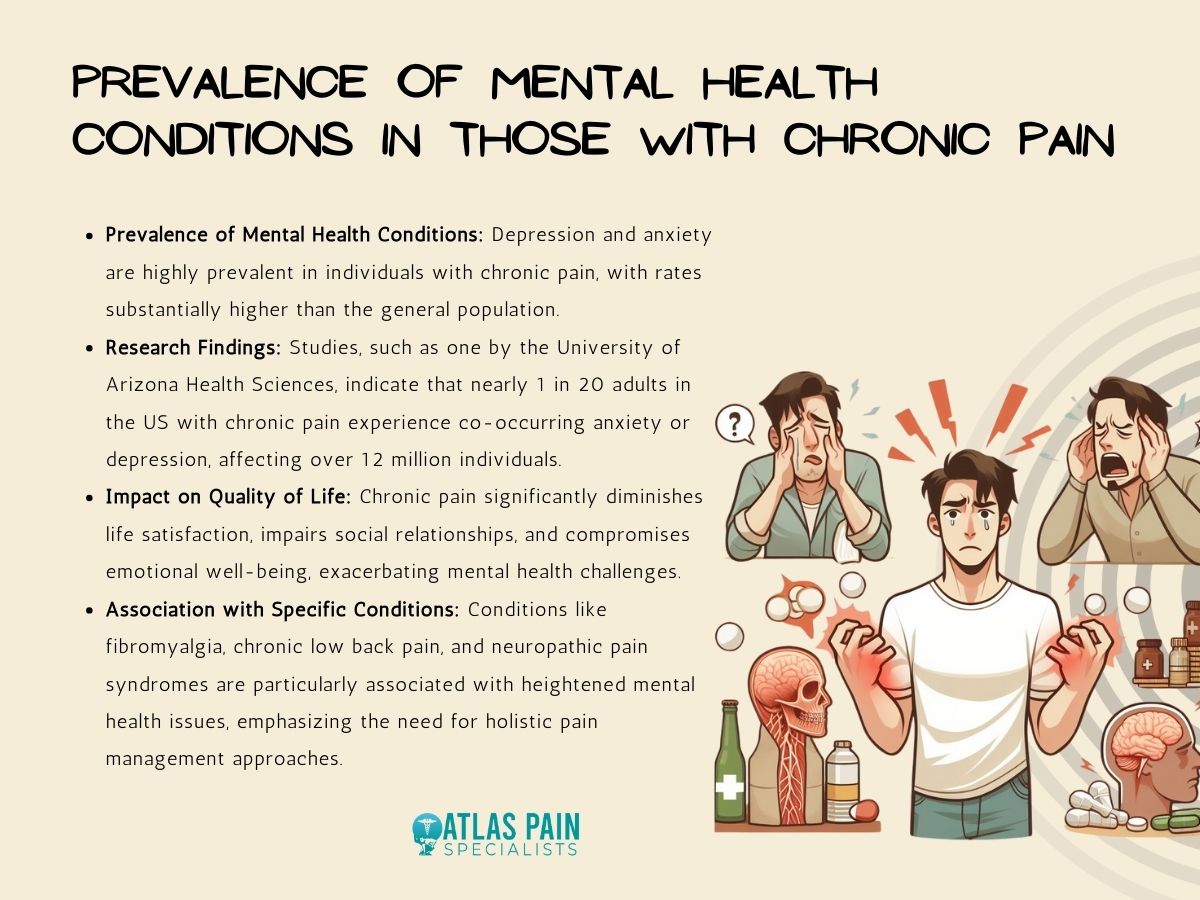 Chronic pain is defined as persistent pain that lasts for an extended period, often beyond the expected healing time. On the other hand, prolonged mental suffering refers to enduring emotional distress or psychological pain over a prolonged period. The link between chronic pain and mental health is significant, as individuals experiencing chronic pain are more likely to develop mental health issues such as depression, anxiety, and even post-traumatic stress disorder.
Connection between Chronic Pain and Mental Health
Chronic pain can have a profound impact on an individual's mental well-being. The constant physical discomfort and limitations imposed by chronic pain can lead to feelings of helplessness, frustration, and isolation. The brain's response to persistent pain can also result in changes in brain chemistry, affecting mood regulation and cognitive function. These factors contribute to the development of mental health conditions in individuals struggling with chronic pain.- Chronic pain can exacerbate existing mental health conditions, such as depression and anxiety, making them more difficult to manage.
- Individuals experiencing chronic pain may also become socially withdrawn, leading to feelings of loneliness and isolation that can further contribute to mental suffering.
- The stress and emotional burden of dealing with chronic pain on a daily basis can take a toll on one's mental health, leading to a vicious cycle of pain and psychological distress.
Biological Basis
Chronic pain is not just a physical sensation but also has a significant impact on the brain and mental health. The prolonged experience of pain can lead to changes in brain structure and function, affecting various neurotransmitters and neural pathways.Effects on the Brain
Chronic pain can alter the structure of the brain, particularly in areas associated with pain processing and emotion regulation. The constant signals of pain can cause neuroplastic changes, leading to increased sensitivity to pain and decreased pain tolerance over time.- Chronic pain can affect the levels of neurotransmitters such as serotonin, dopamine, and norepinephrine, which play a crucial role in regulating mood, emotions, and pain perception.
- Imbalances in these neurotransmitters can contribute to the development of mood disorders like depression and anxiety, commonly seen in individuals with chronic pain conditions.
- Moreover, chronic pain can disrupt the functioning of the endogenous pain modulation system, leading to amplified pain signals and decreased ability to inhibit pain responses.
Impact of Chronic Stress
Chronic pain is often accompanied by chronic stress, which can further exacerbate the negative effects on the body and mental well-being. The constant state of stress activates the body's stress response system, leading to a cascade of physiological changes.- Chronic stress can increase inflammation in the body, which is associated with various health conditions and can worsen pain symptoms.
- The release of stress hormones like cortisol can impair cognitive function, memory, and decision-making, contributing to mental health issues.
- Prolonged stress can also weaken the immune system, making individuals more susceptible to infections and other illnesses, adding to the overall burden of chronic pain.
Psychological Factors
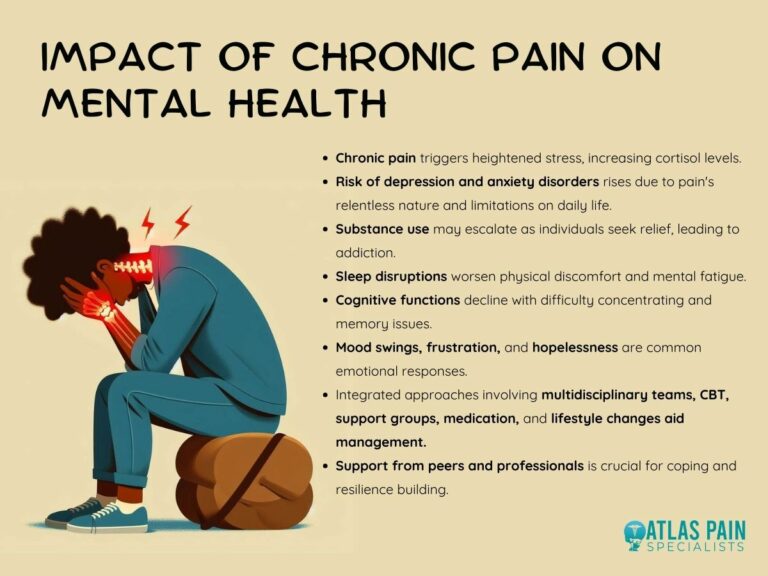 Chronic pain is often intertwined with psychological factors such as depression and anxiety, creating a complex web of physical and mental suffering for patients. These conditions can exacerbate each other, leading to a vicious cycle that can be challenging to break.
Relationship between Chronic Pain and Depression
Depression is a common comorbidity in individuals with chronic pain, with studies showing that they often coexist. The constant pain and limitations imposed by the condition can contribute to feelings of hopelessness, helplessness, and despair, which are hallmark symptoms of depression. Conversely, individuals with depression may experience heightened sensitivity to pain, making their physical symptoms more pronounced.Relationship between Chronic Pain and Anxiety
Anxiety disorders are also frequently seen in individuals suffering from chronic pain. The fear of experiencing pain, worry about the future, and the stress of managing daily activities with limitations imposed by pain can all contribute to the development of anxiety symptoms. In turn, anxiety can heighten pain perception and make coping with chronic pain more challenging.Coping Mechanisms and Mental Health
Effective coping mechanisms play a crucial role in managing chronic pain and preventing prolonged mental sufferingExamples of Cognitive Behavioral Therapy
In the context of chronic pain, CBT may involve techniques such as relaxation training, cognitive restructuring, and activity pacing. For example, individuals may learn how to identify and challenge catastrophic thoughts about pain, gradually increase their activity levels without exacerbating symptoms, and incorporate relaxation exercises into their daily routine to manage stress and pain levels effectively.Social Implications
Chronic pain not only affects individuals physically and psychologically but also has significant social implications that can exacerbate mental suffering.Impact of Social Support
Social support plays a crucial role in the mental well-being of individuals with chronic pain. Having a strong support system can provide comfort, understanding, and encouragement, which are essential in coping with the challenges of chronic pain. Support from family, friends, healthcare professionals, and support groups can help reduce feelings of isolation and improve overall mental health.
Stigma Surrounding Chronic Pain
There is a pervasive stigma surrounding chronic pain that often leads to negative attitudes, disbelief, or dismissiveness from others. This stigma can make individuals feel invalidated, misunderstood, and reluctant to seek help. The constant invalidation and lack of empathy can contribute to feelings of shame, guilt, and isolation, further worsening mental health outcomes.
Societal Attitudes and Prolonged Suffering
Societal attitudes towards chronic pain patients can have a detrimental impact on their mental well-being. Negative stereotypes, lack of awareness, and misconceptions about chronic pain can lead to discrimination, marginalization, and barriers to receiving adequate care. When individuals feel judged, unsupported, or stigmatized by society, it can intensify their emotional distress and perpetuate their suffering.
Treatment Approaches
Chronic pain and prolonged mental suffering often require a comprehensive approach to management. Treatment options can vary from pharmacological interventions to non-pharmacological techniques, each playing a crucial role in improving the quality of life for individuals experiencing these conditions.Pharmacological vs. Non-pharmacological Treatments
When it comes to managing chronic pain and mental health, pharmacological treatments involve the use of medications such as analgesics, antidepressants, or anti-anxiety drugs to alleviate symptoms. On the other hand, non-pharmacological approaches focus on therapies like cognitive-behavioral therapy, physical therapy, relaxation techniques, or mindfulness meditation. While pharmacological treatments target symptom relief, non-pharmacological interventions aim to address the underlying causes and provide long-term coping strategies.Interdisciplinary Approach in Management
An interdisciplinary approach involving healthcare professionals from various fields such as physicians, psychologists, physical therapists, and social workers is essential in managing chronic pain and mental suffering effectively. Collaborative efforts ensure a holistic treatment plan that considers the physical, psychological, and social aspects of the individual's condition. This approach allows for a personalized treatment strategy tailored to the specific needs of the patient, leading to better outcomes and improved quality of life.Alternative Therapies for Alleviating Symptoms
In addition to conventional treatments, alternative therapies like acupuncture and mindfulness meditation have shown promise in alleviating both physical and mental symptoms associated with chronic pain and mental health conditions. Acupuncture, based on traditional Chinese medicine, involves the insertion of thin needles into specific points on the body to promote pain relief and relaxation. Mindfulness meditation, on the other hand, focuses on cultivating present-moment awareness and acceptance, helping individuals manage stress, anxiety, and pain more effectively. These alternative therapies offer additional options for individuals seeking complementary approaches to conventional treatment modalities.Final Review
In conclusion, the link between chronic pain and prolonged mental suffering underscores the importance of comprehensive care that addresses both physical and psychological aspects. By recognizing this connection, we can pave the way for more effective treatments and improved quality of life for those experiencing these intertwined challenges.
Query Resolution
How does chronic pain impact mental health?
Chronic pain can lead to conditions like depression and anxiety, exacerbating mental suffering and affecting overall well-being.
What are some effective treatment approaches for managing chronic pain and mental health?
Combining pharmacological interventions with therapies like cognitive behavioral therapy can be beneficial in addressing both physical and mental symptoms.
How does social support influence individuals with chronic pain?
Social support plays a crucial role in the mental well-being of those experiencing chronic pain, offering comfort and understanding that can help alleviate psychological distress.