Delving into Decoding Sweetgreen Nutrition: Are Their Dressings Actually Healthy?, this introduction immerses readers in a unique and compelling narrative, with a casual formal language style that is both engaging and thought-provoking from the very first sentence.
Exploring the world of Sweetgreen dressings unveils a realm of nutrition and health considerations that often go unnoticed. By understanding the impact of these dressings on our salads, we can make informed choices that benefit our overall well-being.
Overview of Sweetgreen Dressings
Sweetgreen is known for its fresh salads and delicious dressings that add flavor to their menu offerings. It is important to understand the nutritional value of these dressings as they can significantly impact the overall healthiness of your salad.
Impact of Dressings on Salad Healthiness
When choosing a dressing for your salad, it's essential to consider the ingredients and nutritional content. Some dressings may be high in added sugars, unhealthy fats, and calories, which can negate the health benefits of the salad itself. Opting for lighter dressings or vinaigrettes can help maintain the nutritional integrity of your meal while still enhancing the taste.
Nutritional Analysis
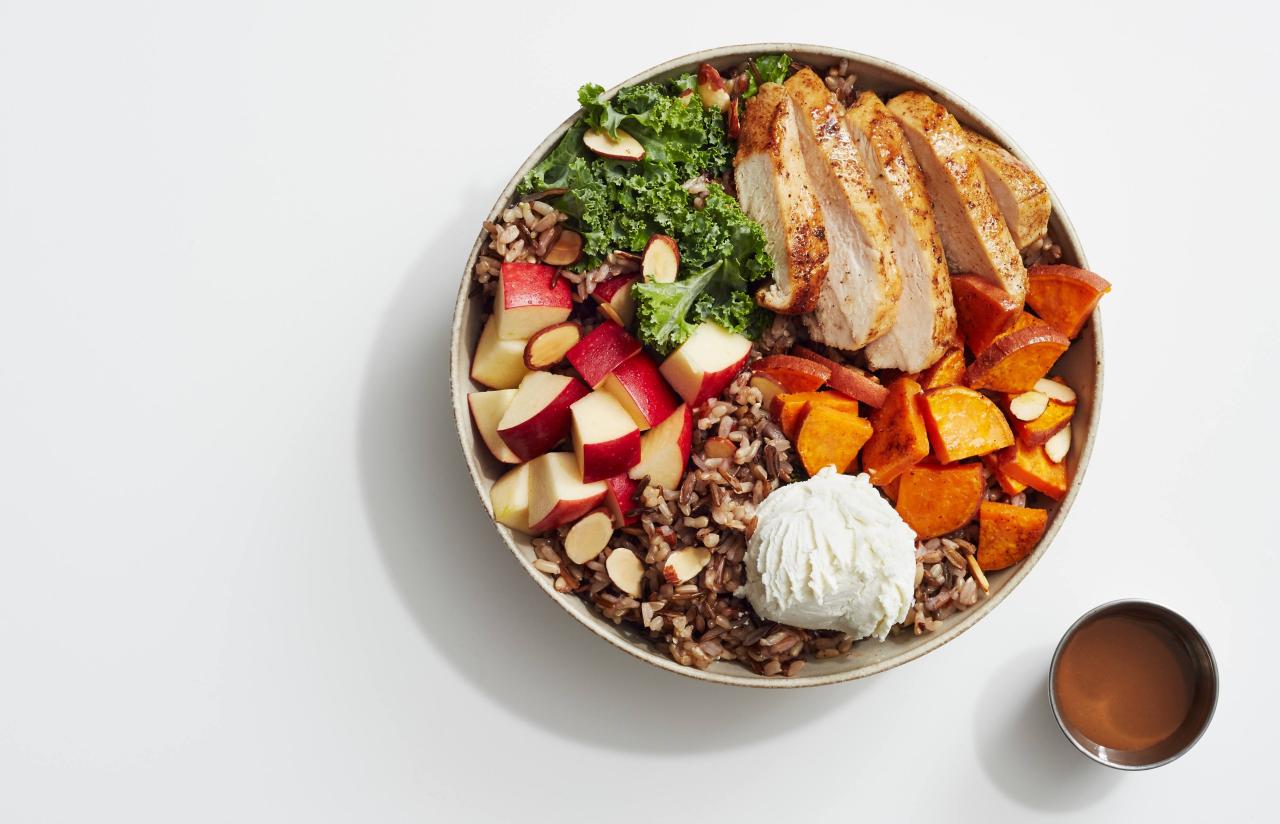 When it comes to Sweetgreen dressings, understanding their nutritional content is crucial in making informed choices for a healthier meal. Let's delve into a comparison of the key ingredients and analyze the potential health benefits or concerns associated with these dressings.
Comparison of Nutritional Content
- Sweetgreen's Green Goddess Dressing: This dressing is known for its creamy texture and tangy flavor. It typically contains avocado, apple cider vinegar, herbs, and spices. While it is high in healthy fats from avocado, it may also be high in calories due to the creamy consistency.
- Sweetgreen's Spicy Cashew Dressing: This dressing offers a unique blend of flavors with cashews, red pepper flakes, and lime juice. It is rich in plant-based fats from cashews and can add a spicy kick to your salad. However, it may also be high in sodium depending on the amount of added salt.
- Sweetgreen's Cilantro Tahini Dressing: This dressing combines the nuttiness of tahini with the freshness of cilantro and lime juice. It is a good source of calcium and healthy fats from tahini, but it may be calorie-dense due to the sesame paste.
Key Ingredients and Their Nutritional Value
| Ingredient | Nutritional Value |
|---|---|
| Avocado | Rich in healthy monounsaturated fats, fiber, and potassium. |
| Cashews | Provide plant-based fats, protein, and minerals like magnesium and zinc. |
| Tahini | Contains calcium, iron, and healthy fats, but can be calorie-dense. |
Potential Health Benefits and Concerns
- Health Benefits: The dressings offer a range of nutrients like healthy fats, vitamins, and minerals that can support overall health and well-being.
- Health Concerns: Some dressings may be high in calories, sodium, or added sugars, so it's important to use them in moderation to maintain a balanced diet.
Health Factors to Consider
When evaluating the healthiness of dressings, there are several important factors to consider. These factors can have a significant impact on your overall nutrition and well-being.Role of Fat
Fat content is a crucial factor to consider when choosing dressings. While some fats are healthy in moderation, excessive consumption of saturated and trans fats can increase the risk of heart disease. Opt for dressings with healthy fats like olive oil or avocado for a better nutritional profile.Role of Sugar
Many dressings contain added sugars, which can contribute to weight gain and other health issues. Be mindful of the sugar content in dressings, as excess sugar intake can lead to increased risk of diabetes and other chronic diseases. Look for dressings with lower sugar content or opt for homemade options with natural sweeteners.Role of Sodium
Sodium is another factor to consider, as high sodium intake can raise blood pressure and increase the risk of heart disease. Choose dressings with lower sodium levels or use herbs and spices to add flavor instead of relying on salt. Be cautious of hidden sources of sodium in dressings, such as soy sauce or other condiments.Other Nutrients
In addition to fat, sugar, and sodium, it's essential to consider other nutrients in dressingsAlternative Dressing Options
When looking for healthier alternatives to traditional salad dressings, there are plenty of options to consider. Making your own dressings at home can help you control the ingredients and ensure a good balance of flavor and nutrition.
Homemade Vinaigrette Dressings
One popular option is to make your own vinaigrette dressing using simple ingredients like olive oil, vinegar, mustard, and herbs. This type of dressing is light, flavorful, and can be customized to suit your taste preferences.
- Combine 1/4 cup of olive oil, 2 tablespoons of vinegar, 1 teaspoon of mustard, and a pinch of salt and pepper in a jar. Shake well before serving.
- Add fresh herbs like basil, oregano, or thyme for an extra burst of flavor.
- Experiment with different types of vinegar such as balsamic, red wine, or apple cider vinegar for variety.
Greek Yogurt-Based Dressings
Another healthy option is to use Greek yogurt as a base for creamy dressings. Greek yogurt adds a tangy flavor and creamy texture to dressings while providing a good source of protein.
- Combine 1/2 cup of Greek yogurt, 2 tablespoons of lemon juice, a clove of minced garlic, and a tablespoon of honey for a simple and delicious dressing.
- Add fresh dill, parsley, or chives for an herby twist.
- You can also mix in some avocado or tahini for a richer, creamier texture.
Tahini-Based Dressings
Tahini, a paste made from sesame seeds, is another great base for homemade dressings. It adds a nutty flavor and creaminess to dressings while providing healthy fats and minerals.
- Whisk together 1/4 cup of tahini, 2 tablespoons of lemon juice, a minced garlic clove, and a pinch of cumin for a Middle Eastern-inspired dressing.
- Drizzle in some water to thin out the dressing to your desired consistency.
- For a spicy kick, add a dash of sriracha or red pepper flakes.
Closing Summary
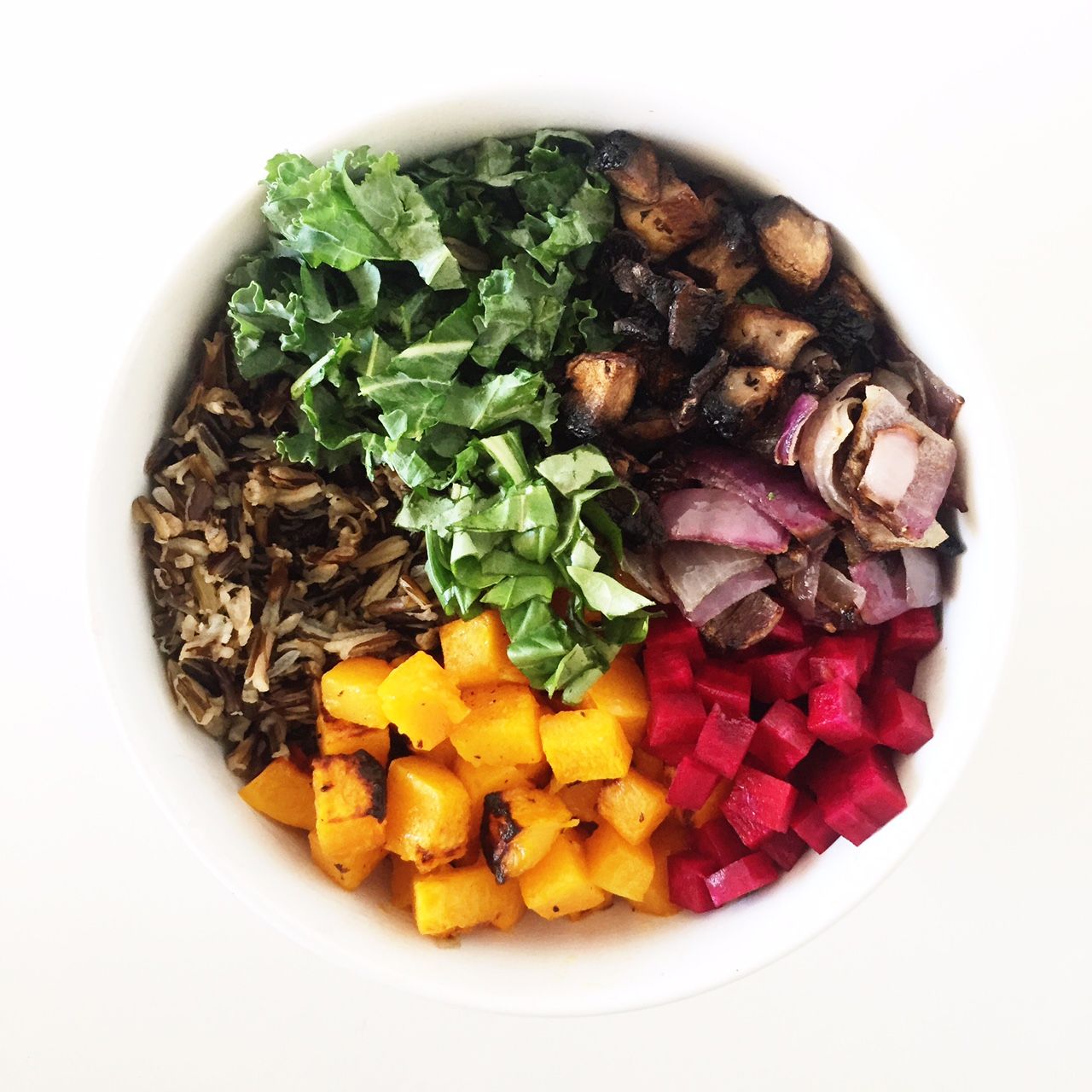
In conclusion, deciphering the nutritional content of Sweetgreen dressings unveils a complex interplay of flavors, ingredients, and health implications. By being aware of what goes into our salads, we empower ourselves to create meals that nourish both body and soul.
Expert Answers
Are Sweetgreen dressings low in calories?
While some Sweetgreen dressings may be lower in calories, others can be higher due to ingredients like oils and sugars. It's important to check the nutritional information for each specific dressing.
Do Sweetgreen dressings contain artificial additives?
Sweetgreen prides itself on using fresh, natural ingredients in their dressings. However, it's always good to double-check the ingredient list if you have specific concerns.
Are there vegan options for Sweetgreen dressings?
Yes, Sweetgreen offers several vegan dressing options to cater to different dietary preferences. These dressings are usually made with plant-based ingredients.