Embark on a journey with The Ultimate Meal Prep Guide for Exploring Nutrition Month, where we delve into the world of meal prepping, nutrition, and healthy eating habits. Get ready to explore tips, tricks, and recipes that will revolutionize your meal prep routine.
Discover the secrets to efficient meal planning, essential tools for meal prepping, and expert advice on storing and freezing meals. Let's make meal prep not just a chore, but a lifestyle choice for a healthier you.
Benefits of Meal Prep
Meal prepping is a great way to save time and money while also promoting healthier eating habits and reducing food waste.Saves Time and Money
- By preparing meals in advance, you can save time during the week by having ready-to-eat meals on hand.
- Buying ingredients in bulk for meal prep can often be more cost-effective than buying individual meals or dining out.
Healthier Eating Habits
- Meal prepping allows you to control portion sizes and choose healthier ingredients, leading to a more balanced diet.
- Having healthy meals readily available can help you avoid the temptation of fast food or unhealthy snacks.
Environmental Benefits
- Meal prepping can help reduce food waste by only buying what you need and using up ingredients before they spoil.
- Using reusable containers for meal prep can also cut down on single-use plastics and packaging waste.
Essential Tools for Meal Prep
Having the right tools for meal prep can make the process much more efficient and enjoyable. Here are some must-have tools for successful meal prepping:
Storage Containers
When it comes to storage containers for meal prepping, there are several options to choose from. Here are some popular choices:
- Glass containers: Durable and microwave-safe, perfect for reheating meals.
- Plastic containers: Lightweight and affordable, ideal for portioning out meals.
- Bento boxes: Compartmentalized containers that help keep different food items separate.
- Mason jars: Great for storing salads, overnight oats, and other layered meals.
Organization Tips
Organizing your kitchen is key to efficient meal prepping. Here are some tips to help you set up your kitchen for success:
- Invest in clear storage containers to easily see what ingredients you have on hand.
- Label containers with the date and contents to avoid confusion.
- Use drawer dividers to keep utensils and tools neatly organized.
- Create designated areas for prepping, cooking, and storing ingredients.
Planning Your Meals
Planning your meals for the week is essential for successful meal prep. It helps you stay organized, save time, and ensure you are consuming a balanced diet. Here is a step-by-step guide to help you plan your meals effectively:Incorporating a Variety of Nutrients
When planning your meals, it's important to incorporate a variety of nutrients to ensure you are getting all the essential vitamins and minerals your body needs. Include a mix of fruits, vegetables, whole grains, lean proteins, and healthy fats in your meal prep to achieve a well-rounded diet.Creating a Balanced Meal Plan
To create a balanced meal plan tailored to different dietary needs, consider the following tips:- Identify dietary restrictions or preferences: Take into account any dietary restrictions or preferences you have, such as vegetarian, vegan, gluten-free, or dairy-free.
- Consult a nutritionist: If you have specific dietary needs or health concerns, it may be beneficial to consult a nutritionist to help you create a meal plan that meets your requirements.
- Plan meals in advance: Set aside time each week to plan your meals, taking into consideration your schedule, activities, and nutritional goals.
- Batch cook: Prepare larger quantities of food that can be portioned out for multiple meals throughout the week, making it easier to stick to your meal plan.
- Include a variety of foods: Aim to include a variety of foods from different food groups to ensure you are getting a wide range of nutrients.
- Stay flexible: While it's important to have a plan, it's also important to be flexible and make adjustments as needed based on your cravings, schedule changes, or dietary requirements.
Prepping Ingredients
When it comes to meal prep, preparing ingredients in advance can save you time and make it easier to put together healthy meals throughout the week. Here are some best practices for prepping ingredients:Washing, Cutting, and Storing Fruits and Vegetables
- Wash fruits and vegetables thoroughly under running water to remove dirt and bacteria.
- Cut fruits and vegetables in a way that suits your meal prep needs, whether it's slicing, dicing, or chopping.
- Store cut fruits and vegetables in airtight containers or resealable bags to maintain freshness and extend their shelf life.
Batch Cooking Proteins
Batch cooking proteins like chicken, beef, or tofu can save you time during the week. Here are some tips:- Cook proteins in large batches and portion them out for easy meal assembly.
- Use different cooking methods like grilling, baking, or sautéing to add variety to your meals.
- Store cooked proteins in the fridge or freezer to use throughout the week.
Prepping Grains and Legumes
Prepping grains like quinoa, rice, or oats, and legumes like beans or lentils in advance can make meal prep a breeze. Here's why it's beneficial:- Cooking grains and legumes ahead of time saves you time during the week when you're putting together meals.
- Having pre-cooked grains and legumes on hand makes it easier to add them to salads, soups, or bowls for a quick and nutritious meal.
- Storing cooked grains and legumes in the fridge or freezer ensures you always have a healthy base for your meals.
Cooking Techniques for Meal Prep
When it comes to meal prepping, using the right cooking techniques can make a big difference in the taste and quality of your meals. Here are some tips to help you cook efficiently while maintaining the flavor and texture of your prepped meals.Cooking Methods for Meal Prep
- Roasting: Roasting vegetables or proteins in the oven can help enhance their natural flavors and caramelization, perfect for prepping in bulk.
- Grilling: Grilling is a great way to add a smoky flavor to your meats or veggies, and you can easily grill a large batch to use throughout the week.
- Steaming: Steaming is a healthy cooking method that helps retain nutrients in your ingredients, ideal for prepping light and fresh meals.
Cooking in Bulk Tips
- Seasoning: Use flavorful marinades, herbs, and spices to add depth to your dishes when cooking in large quantities.
- Portioning: Divide your cooked meals into individual portions to make it easier to reheat and serve throughout the week.
- Storage: Properly store your cooked meals in airtight containers to maintain freshness and prevent spoilage.
Reheating Prepped Meals
- Microwave: Reheating in the microwave is quick and convenient, but be sure to cover your dish to retain moisture and prevent drying out.
- Oven: Reheating in the oven at a low temperature can help maintain the texture and flavor of your prepped meals, especially for dishes like casseroles or baked goods.
- Stovetop: Reheat on the stovetop with a splash of water or broth to prevent sticking and ensure even heating.
Meal Prep Recipes
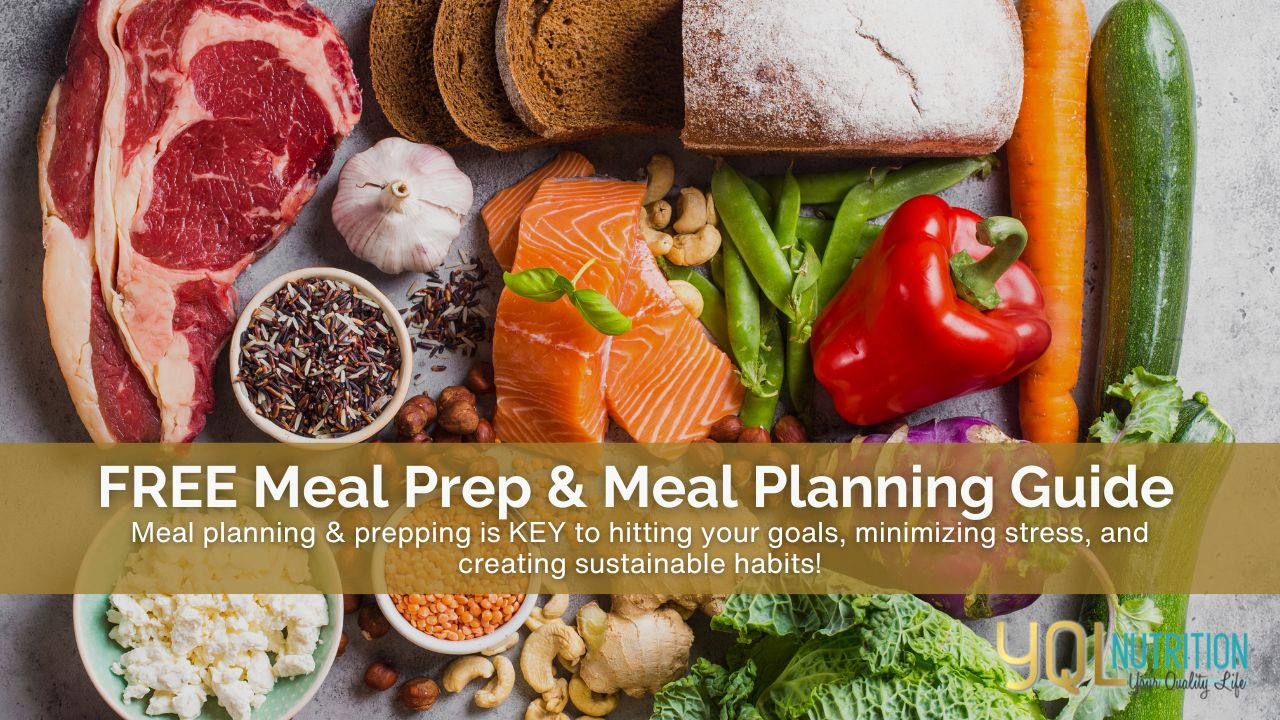
Meal prepping can be made easy with these nutritious and delicious recipes for breakfast, lunch, and dinner. Whether you follow a vegetarian or gluten-free diet, there are options for everyone to enjoy.
Breakfast Recipes
- Egg Muffins: Preparing a batch of egg muffins with vegetables and cheese is a great way to start your day with a protein-packed meal.
- Overnight Oats: Mix oats, milk, yogurt, and your favorite toppings in a jar the night before for a quick and easy breakfast in the morning.
- Chia Seed Pudding: Combine chia seeds, almond milk, and a sweetener of your choice for a nutritious and filling breakfast option.
Lunch Recipes
- Quinoa Salad: Cook a large batch of quinoa and mix it with your favorite vegetables and dressing for a satisfying lunch option.
- Veggie Wraps: Fill whole grain wraps with hummus, fresh veggies, and avocado for a quick and portable lunch on the go.
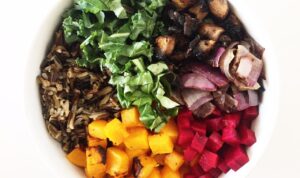
- Buddha Bowl: Layer cooked grains, roasted vegetables, protein, and a flavorful sauce for a well-balanced and delicious meal.
Dinner Recipes
- Sheet Pan Chicken and Veggies: Season chicken breasts and vegetables with herbs and spices, then roast them together on a sheet pan for an easy dinner.
- Stuffed Bell Peppers: Fill bell peppers with a mixture of quinoa, black beans, corn, and cheese, then bake until tender for a flavorful meal.
- Vegetarian Chili: Simmer a pot of hearty chili with beans, tomatoes, and spices for a comforting and nutritious dinner option.
Storing and Freezing Meals
When it comes to meal prep, proper storage is key to maintaining the freshness of your prepared meals. Additionally, knowing how to effectively freeze meals can save you time and effort in the long run.Proper Storage Guidelines
- Store prepped meals in airtight containers to prevent spoilage and maintain freshness.
- Avoid storing meals at room temperature for extended periods to reduce the risk of bacterial growth.
- Label containers with the date of preparation to track freshness and ensure timely consumption.
Freezing Do's and Don'ts
- Do freeze meals that contain ingredients with high water content, such as soups, stews, and casseroles.
- Don't freeze meals with dairy-based sauces or dressings, as they may separate and affect the texture when thawed.
- Do cool meals completely before freezing to avoid condensation and freezer burn.
- Don't freeze meals in glass containers that are not labeled as freezer-safe, as they may crack under extreme temperatures.
Labeling and Organizing Tips
- Label frozen meals with the name of the dish and the date it was prepared for easy identification.
- Organize frozen meals by category (e.g., breakfast, lunch, dinner) to streamline meal selection and planning.
- Use a FIFO (first in, first out) system to ensure older frozen meals are consumed before newer ones to prevent food waste.
Meal Prep for Special Diets
When it comes to meal prepping for special diets, it's important to tailor your meal plans to fit your specific nutritional needs. Whether you're following a keto, paleo, or any other specialized diet, proper meal preparation can help you stay on track and reach your health goals more effectively.Meal Prep for Weight Loss or Muscle Gain Goals
- For weight loss goals, focus on incorporating lean proteins, plenty of vegetables, and healthy fats into your meal prep. Portion control is key to managing caloric intake.
- When meal prepping for muscle gain, prioritize protein-rich foods like chicken, fish, tofu, and beans. Include complex carbohydrates and healthy fats to support muscle growth and recovery.
- Divide your meals into pre- and post-workout options to optimize performance and recovery.
Consulting with a Nutritionist for Personalized Meal Prep Plans
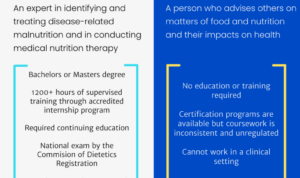
It's essential to consult with a nutritionist or dietitian when meal prepping for specific dietary needs. They can provide personalized guidance based on your health goals, preferences, and any underlying health conditions.
- A nutritionist can help you create balanced meal plans that meet your nutritional requirements while aligning with your dietary restrictions or goals.
- They can also offer valuable insights on portion sizes, food combinations, and nutrient timing to optimize your meal prep efforts.
- Regular check-ins with a nutritionist can help track your progress, make necessary adjustments, and ensure long-term success in meeting your health objectives.
Final Thoughts
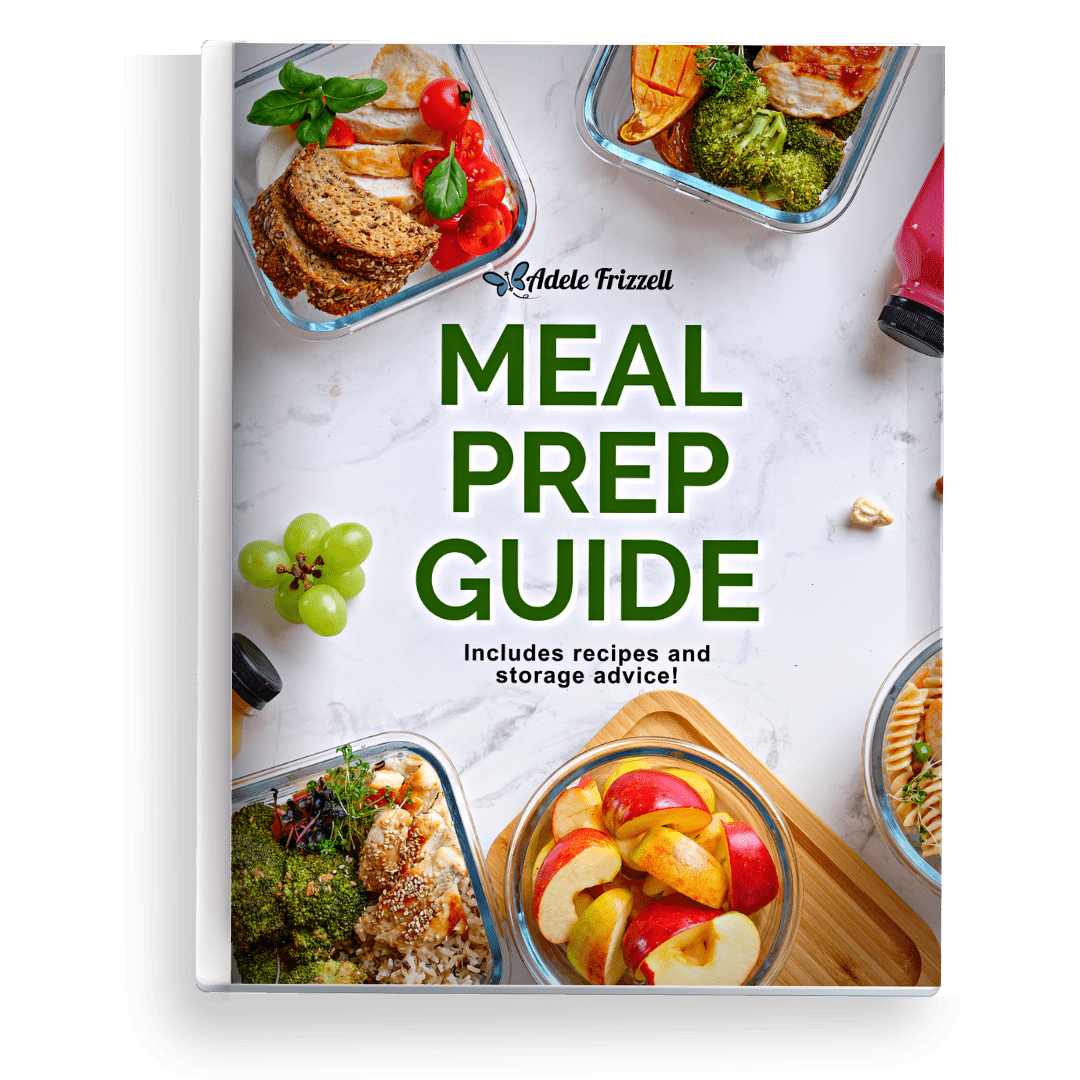
As we conclude our exploration of The Ultimate Meal Prep Guide for Exploring Nutrition Month, remember that a well-prepped meal is a step towards a healthier lifestyle. Let's continue to embrace the art of meal prepping and make nutritious choices that nourish our bodies and minds.
Clarifying Questions
How can meal prepping save time and money?
Meal prepping allows you to plan and prepare meals in advance, saving time during busy weekdays and reducing the temptation to eat out, thus saving money.
What are the best practices for storing prepped meals?
Properly store prepped meals in airtight containers in the refrigerator to maintain freshness and prevent spoilage.
How can I adapt recipes for meal prepping in larger quantities?
To adapt recipes for meal prepping in larger quantities, double or triple the ingredients while ensuring the flavors and textures are balanced.