Why Culturally Competent Care Matters: The TherapyforBlackGirls Impact sets the stage for this enthralling narrative, offering readers a glimpse into a story that is rich in detail and brimming with originality from the outset.
As we delve into the importance of culturally competent care, the impact of TherapyforBlackGirls, and the challenges in accessing such care, a compelling narrative unfolds that sheds light on a critical aspect of mental health care.
Importance of Culturally Competent Care
Culturally competent care in therapy is crucial for ensuring that individuals receive treatment that is respectful of their cultural beliefs, practices, and values. It involves healthcare providers understanding and incorporating a patient's cultural background into their care plan, which can lead to more effective and personalized treatment.Improved Health Outcomes
Culturally competent care has been shown to improve health outcomes by increasing patient satisfaction, adherence to treatment plans, and overall health status. For example, studies have found that patients who receive culturally competent care are more likely to follow through with their treatment recommendations and experience better health outcomes compared to those who do not.Impact on Marginalized Communities
In marginalized communities, culturally competent care is especially important as it helps to address disparities in healthcare access and outcomes. By understanding the cultural nuances and barriers that may exist within these communities, healthcare providers can tailor their approach to better meet the needs of their patients. This can result in increased trust, improved communication, and ultimately better health outcomes for individuals from marginalized backgrounds.TherapyforBlackGirls Platform
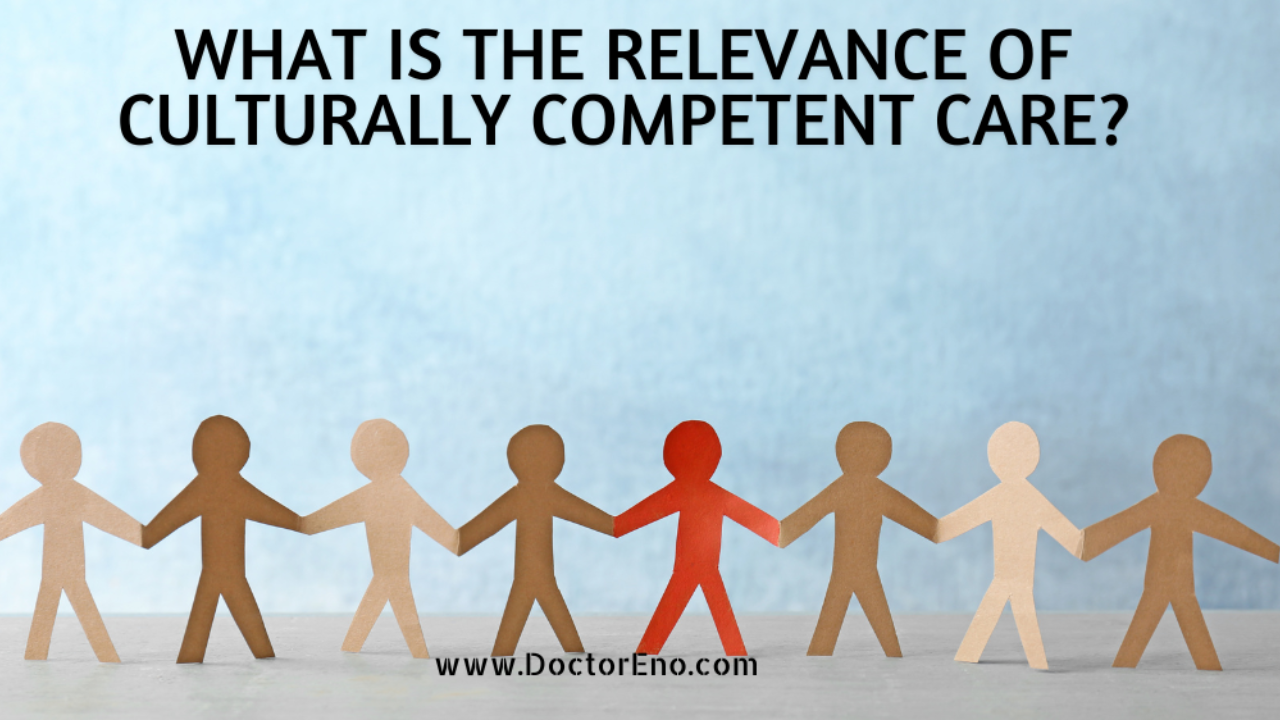 TherapyforBlackGirls is an online platform founded by Dr. Joy Harden Bradford, a licensed psychologist, dedicated to providing resources and support for Black women and girls seeking mental health services. The platform aims to break down the stigma surrounding mental health in the Black community and make therapy more accessible and culturally relevant.
Mission and Goals
TherapyforBlackGirls strives to promote mental health awareness, education, and empowerment among Black women and girls. The platform also aims to connect individuals with therapists who understand their unique cultural experiences and provide a safe space for healing and growth.Target Audience
The primary target audience of TherapyforBlackGirls includes Black women and girls who are seeking mental health support and resources tailored to their specific needs. The platform welcomes individuals from all walks of life who identify as Black, providing a supportive community for those navigating mental health challenges.Success Stories
Many individuals have shared their positive experiences with TherapyforBlackGirls, highlighting the impact of culturally competent care on their mental health journey. Testimonials often mention feeling seen, heard, and understood by therapists on the platform, leading to breakthroughs and transformations in their lives.Challenges in Accessing Culturally Competent Care
Accessing culturally competent care can be a challenge for many individuals due to various barriers that exist in the healthcare system.
Barriers to Accessing Culturally Competent Care
- Lack of diversity among healthcare providers can lead to a mismatch in cultural understanding between the therapist and the client.
- Language barriers may prevent effective communication between the therapist and the client, impacting the quality of care.
- Stigma and discrimination within the healthcare system can deter individuals from seeking help, especially from professionals who may not understand their cultural background.
Consequences of Receiving Therapy from Professionals Lacking Cultural Competence
- Clients may feel misunderstood or overlooked, leading to a lack of trust in the therapeutic relationship.
- Therapeutic interventions may not be effective if they do not consider the client's cultural beliefs, values, and experiences.
- Clients may discontinue therapy prematurely if they do not feel heard or respected, resulting in negative outcomes for their mental health.
Strategies to Overcome Challenges in Accessing Culturally Competent Care
- Seek out therapists who have training and experience in cultural competence to ensure a better understanding of your background and needs.
- Advocate for diversity in the healthcare workforce to increase access to therapists from various cultural backgrounds.
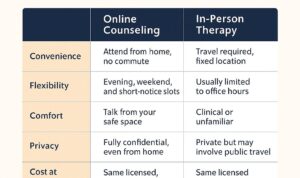
- Utilize telehealth services to connect with therapists who may not be available in your local area but can provide culturally competent care remotely.
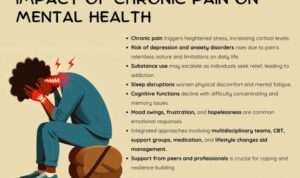
The Impact of Culturally Competent Care on Mental Health
Culturally competent care plays a crucial role in influencing mental health outcomes positively. Individuals who receive care that is sensitive to their cultural backgrounds and experiences often report better mental health and well-being compared to those who do not. Let's explore the specific ways in which cultural competence can impact mental health.Reduced Stigma and Increased Trust
Culturally competent care providers are more likely to understand and respect the cultural beliefs and values of their clients. This leads to reduced stigma around seeking help for mental health issues and increased trust in the therapeutic relationship. When individuals feel understood and respected, they are more likely to engage in treatment and follow through with recommendations.Improved Treatment Outcomes
Research has shown that culturally competent care can lead to improved treatment outcomes for mental health conditions. When interventions are tailored to consider a person's cultural background, they are more likely to be effective. This personalized approach can result in better symptom management, increased adherence to treatment plans, and overall better mental health outcomes.Addressing Barriers to Care
Cultural competence plays a crucial role in addressing barriers to mental health care in diverse communities. By understanding the cultural factors that may prevent individuals from seeking help or accessing services, providers can develop strategies to make care more accessible and acceptable. This can help reduce mental health disparities and ensure that all individuals have equal opportunities to receive the support they need.Promoting Resilience and Empowerment
Culturally competent care can also promote resilience and empowerment in individuals from marginalized communities. By acknowledging and validating their unique experiences, providers can help clients build on their strengths and develop coping strategies that are rooted in their cultural heritage. This can lead to greater self-efficacy, improved self-esteem, and a sense of empowerment in navigating mental health challenges.End of Discussion
In conclusion, the discussion around Why Culturally Competent Care Matters: The TherapyforBlackGirls Impact highlights the transformative power of culturally sensitive therapy, emphasizing the need for inclusive and diverse approaches to mental health care.
FAQ Insights
What are common barriers to accessing culturally competent care?
Common barriers include lack of provider diversity, language barriers, and cultural stigma surrounding mental health treatment.
How does culturally competent care impact marginalized communities?
Culturally competent care can lead to improved health outcomes, increased trust in healthcare providers, and a reduction in disparities within marginalized communities.
What is the role of cultural competence in reducing mental health disparities?
Cultural competence plays a crucial role in addressing mental health disparities by ensuring that individuals receive personalized and effective care that takes into account their cultural background.